In the global LED market, “Standard Specs” are often designed for the stable grids of Europe or North America. In India, however, industrial lighting faces a different reality: erratic voltage fluctuations, frequent neutral failures, and massive spikes from neighboring heavy machinery.
For a factory manager, a lighting failure isn’t just about a dark room—it’s about halted production lines, compromised worker safety, and expensive maintenance cycles that eat into the annual budget.
The Problem: Why 4KV is Not Enough.
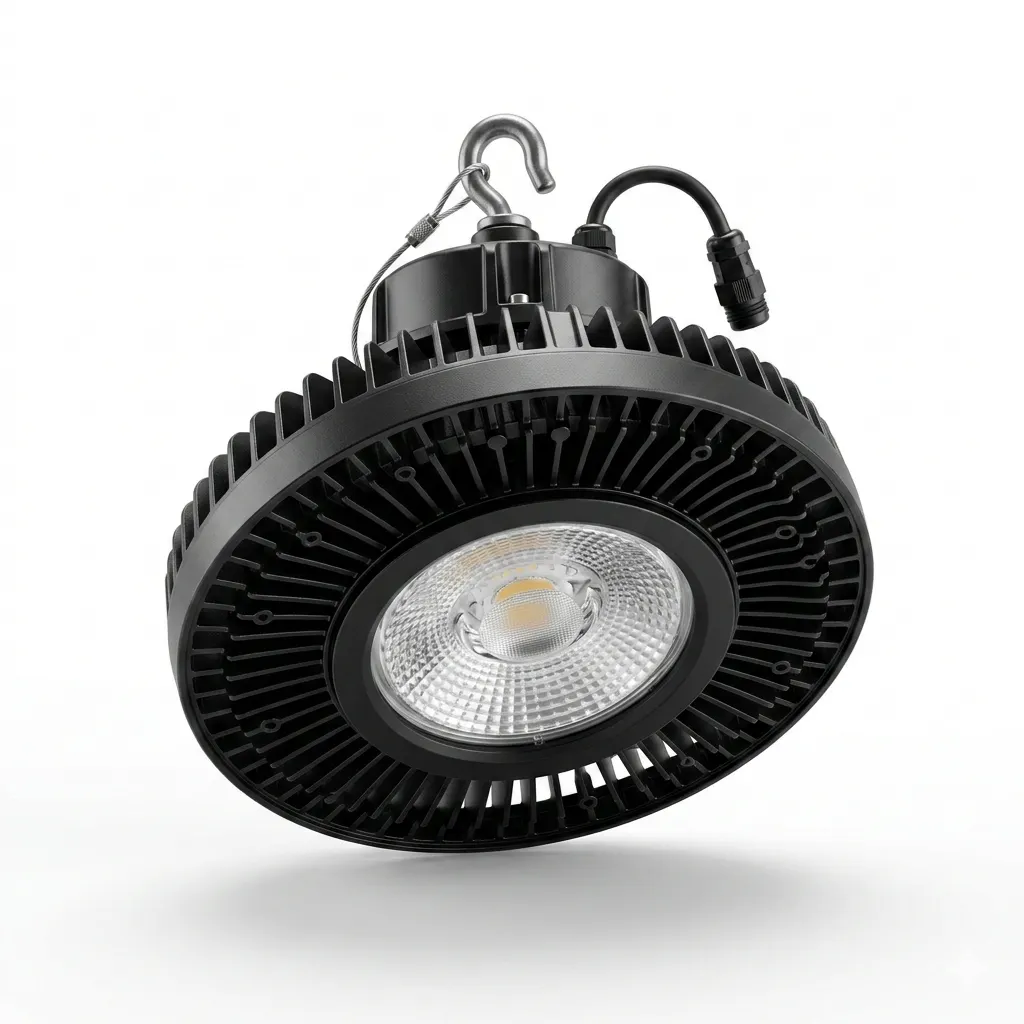
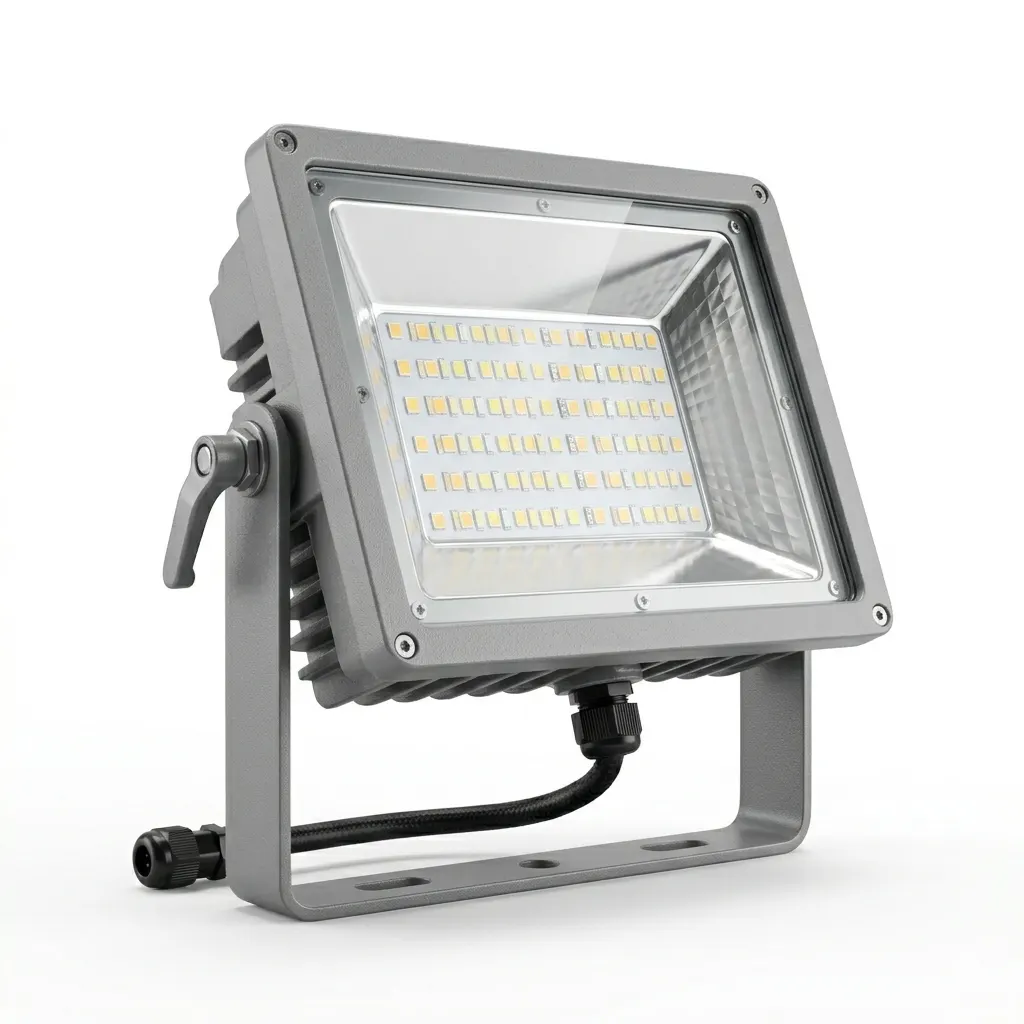
- The Leoforse Solution: 10KV Engineering At Leoforse, we manufacture our fixtures with 10KV Surge Protection as a baseline standard. This isn’t a “luxury” add-on; it is a necessity for the Indian industrial landscape.
- Grid Resilience: Designed to withstand the “dirty power” common in industrial clusters.
- Component Longevity: By absorbing higher energy spikes, we protect the LED chips themselves, ensuring they actually reach their 50,000+ hour rated lifespan.
- Reduced TCO (Total Cost of Ownership): While a 10KV fixture may have a higher initial cost than a generic 2KV unit, it survives 3 to 4 times longer, eliminating the labor and equipment costs of frequent replacements.
- The Engineering Verdict Choosing the right high-bay or street light isn’t just about lumens-per-watt; it’s about survival in the field. When planning your next facility upgrade, look past the brightness and check the surge rating.
The Problem: Why “Standard” Protection is Not Enough
Most commercial LED drivers come with a standard 2KV to 4KV surge protection. While this rating is sufficient for controlled commercial environments, Indian industrial zones operate under much harsher conditions. In these settings, voltage spikes often exceed 4KV during peak hours or when heavy machinery (like CNC machines or industrial HVACs) switches on and off.
When a surge hits a fixture with low protection, the Metal Oxide Varistor (MOV) inside the driver is forced to absorb more energy than it was designed for. The result is “Driver Failure”—the number one cause of LED downtime in Indian factories. You aren’t just losing a light; you are losing hours of production time and paying for a technician to bring out a ladder or a scissor lift for a replacement.
Testing data
When a surge hits a fixture with low protection, the Metal Oxide Varistor (MOV) inside the driver is forced to absorb more energy than it was designed for. The result is “Driver Failure”—the number one cause of LED downtime in Indian factories. You aren’t just losing a light; you are losing hours of production time and paying for a technician to bring out a ladder or a scissor lift for a replacement.